
From sub.media
Montreal community groups came together with autonomous radicals last week to demand access to housing, squatting buildings and holding free barbecues in the park.
From sub.media
Montreal community groups came together with autonomous radicals last week to demand access to housing, squatting buildings and holding free barbecues in the park.
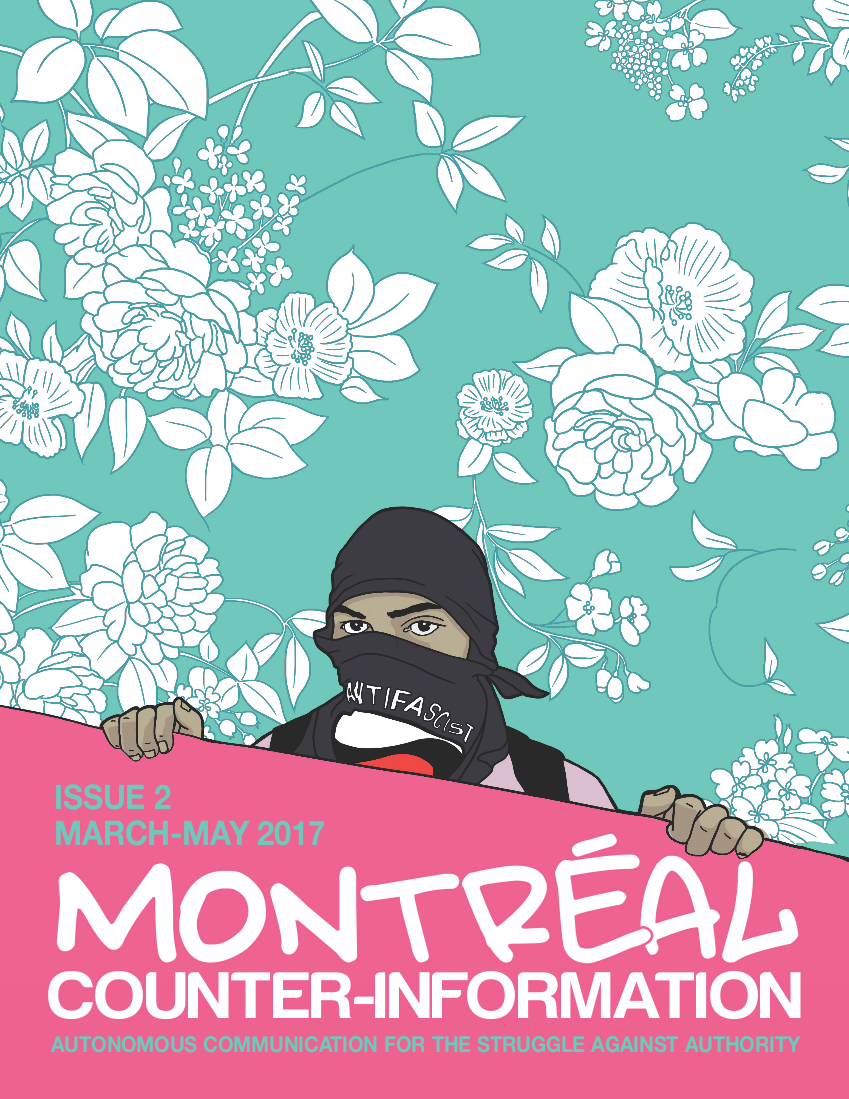
[For reading]
[For printing, 11”x17”]
[Center-fold: posters and boardgame, 11”x17” (optional)]
CONTENTS
“Cops Protect Fascists” Report-back
Frontlines in the Fight Against Islamophobia
March 15 in Montreal: Police Attacked, Kettle Broken
Anti-gentrification Vandalism in Saint-Henri
Revolt in the Youth Center of Val-Du-Lac
Enbridge Line 3: The Feeblest Head of the Hydra
Montreal Antifa Prevails: Would You Like A Beating With Your Happy Meal?
4:20 – Against Legalization and Criminalization Alike
Police Protect Far-Right Demo from Antifascists
Business Invasion: A Tactic to Fight Gentrification?
May Day in Montreal: Some Critical Reflections
Hey There Yuppies!
You’re Also Staying In “Montreal” This Summer?
A Recipe for Nocturnal Direct Actions!
Street Demonstration Tips
June 11th: Communication As a Weapon
How to Safely Submit Communiqué
You can get copies at the bookfair this weekend, La Deferle and L’Insoumise. If you’d like more copies for distribution, please get in touch! If you live outside Montreal and don’t have access to free printing, we’re down to print some for you if you can pay for shipping (and if you can’t afford shipping, still get in touch and we’ll try to figure something out).
By now it is a platitude to speak of the isolation and silence that prisons strive to impose. Every week another one of our imprisoned friends tells us that their mail is getting fucked with, the phones on their unit are “broken,” or that our publications are being rejected with no recourse.
For us, one of the most exciting elements of June 11, 2016 was the proliferation of words and ideas shared between and from anarchist prisoners. Along with spreading material solidarity internationally and keeping the names of our comrades on our lips, our contribution to facilitating that communication is one of our most important tasks. While the starting point of our project was support for Marius Mason and Eric McDavid (the first of whom remains imprisoned in an extremely restrictive unit, while the latter has been freed!), it has been through a spreading web of communications that we have expanded the scope of our project to solidarity with long-term anarchist prisoners around the world. This year, we are seeking to emphasize this communication.
Maintaining communication is a lifeline for those caught in the snares of state repression or locked in its dungeons. Prisons function to isolate those held within these dungeons, to remove them from human community, and to break their will. Receiving letters and publications, being able to connect with individuals outside of the walls, and being able to call upon the solidarity of comrades on the outside are all vitally important to retaining dignity in dehumanizing conditions. When Chelsea Manning attempted suicide, communication enabled her and those close to her to mobilize and act. For prisoners who seem to live under a microscope due to their rebellious activities, a constant stream of letters shows their tormentors that they have friends on the outside and that there will be consequences for any action taken against them. Throughout the September 9th US prison strike, the relationships built over years made it possible to know of work strikes and rebellions happening in prisons all over the country, allowing supporters to organize counter-repressive action.
We must not, however, confuse actual communication with the absentminded chatter of liberal democracy. In totalitarian societies, speaking out can be subversive to systems of power; in liberal democracies it strengthens them. History textbooks teach us to speak truth to power, allowing power to better understand our frustrations so it can then maneuver to undermine us – either by regurgitating and disfiguring our criticisms as popular appeals or otherwise attempting to sell them back to us through edgy marketing campaigns. The more we tell power what we’re mad about, the better the chance they can manipulate us. Ranting on the internet is a microcosm of the pressure valve function of free speech in neutralizing social unrest. We are encouraged to say whatever we want, as long as we don’t actually do anything about it. Free speech becomes a fetish. For people who have never experienced a moment of freedom in their entire lives, freedom of speech is taken for freedom itself.
When direct action actually does take place, it either is castigated as coming from “outsiders,” or framed to fit into democratic rhetoric around speech. After the uprising against police in Ferguson, Missouri, Martin Luther King Jr.’s quote that “riots are the language of the unheard” went viral because it was a way to frame the uprising as revolving around freedom of speech, as if the silencing of Ferguson residents’ voices is what caused the riots, or that their rioting was intended only to amplify their voices.
When we speak of communication, we are not talking about “freedom of information” – media attention and generalized knowledge of the horrific practices and conditions inside prisons will never result in public outrage, nor will they cause a wave of shame that will wash over the authorities and affect them to the point where they’ll change what they’re doing. While trying to bring attention to issues sometimes has it place, we don’t expect anything from the authorities (or the “public”) and we know all too well that, especially in democracies, public opinion usually does very little to affect the policies or practices of the state. We’re talking about something different: that finding and speaking with our comrades is vital to attacking power and living full lives.
Within liberal democracies, prison functions to isolate those who do not take the bait of the democratic illusion. We amplify the stories of those anarchists serving time in prison who have chosen active revolt against any regime of power rather than played into democracy’s games. In February 2017, Eric King received sanctions – including loss of phone, visits, and commissary; increase in security level; and loss of “good time” – for writing poems and drawing cartoons depicting violence towards the Bureau of Prisons and the government in general. In early 2017, Sean Swain went on a successful 50-day hunger strike demanding the restoration of his email and phone communications, which had been cut off years ago due to his alleged threats of outside direct action against prison officials. In 2014, Bill Dunne received a 15-year “hit” to his parole, with the parole commission citing his “continued association and affiliation with anarchist organizations” as evidence he “still harbor[ed] anti-authoritarian views that are not compatible with the welfare of society.” Marius Mason is currently being held in the intensely-restrictive federal prison in Carswell, Texas, which surveils and controls his communication with the outside world and imposes harsh limits to his ability to connect with struggles on the outside. The comrades arrested in Italy under Operation Scripta Manent have seen their mail restricted, including a permanent seizure of all material from Croce Nera Anarchica [Anarchist Black Cross].
Despite the state’s best attempts to fetter our comrades’ tongues, imprisoned anarchists continue to contribute to struggles inside and outside of prison. Sean Swain’s Final Straw segments, Marius’ art and poetry, Jeremy Hammond’s incendiary tweets, and prison writings crossing borders and oceans show the innumerable and diverse forms communication can take in the belly of the beast.
That said, we want to share specific news of Marius’ struggles on the inside. This year was filled with new heartbreak as the Bureau of Prisons developed means of isolating him further. Beginning last summer, Marius began to see huge gaps in the mail he received, sometime going weeks without personal mail, with movement newsletters even more scarce. It was finally revealed via a phone call with a friend that FMC Carswell had been cutting off all communication about the National Prison Strike and thus any personal mail mentioning the strike was destroyed.
Even with these more obvious events Marius is going into his 10th year of incarceration, friendships and supports on the outside have been pushed to their limit, consistently thwarted in their attempts to get mail past Carswell’s complex and unexplained regulations. Aside from the few close friends and immediate family he has left, Marius receives very little mail. Mail is his lifeline to the outside world. He needs supporters to recommit to correspondence, and to visits, for those of us who knew him before his arrest (a requirement of the BOP). Know that letters which mention political actions will not make it through the tight censorship.
On the outside, new projects which seek to break down the barriers imposed by prison have flourished. Comrades all over the US and elsewhere have started publishing prison newsletters, giving wings to the ideas of our imprisoned comrades, enabling them to spread seeds in the “free world” and in the prison cells. Individual support websites, counter-information websites, zines collecting prisoners’ writings, the Certain Days calendar, the new Black Bridge website, and other efforts keep our comrades behind bars connected with us, and us connected with them – through creative expression, mutual contribution to theory, and strategizing for continuation of struggle.
This extends also to the realm of action, with solidarity rooting itself in the spirit of combative, internationalist struggle against prison and its world. Following the arrest of Pola Roupa and Konstantina Athanasopoulou and the detainment of Pola’s six-year-old child Lambros-Viktoras, diverse and combative actions took place, resulting in Lambros-Viktoras’ grand-mother gaining custody of her grandchild. The actions taken all over the world in solidarity with the US prison strike in September 2016 offer a clear vision of how words and deeds can mix in the cauldron of revolt. We also want to mention the upcoming Fight Toxic Prisons convergence in Texas, drawing the important connections between ecological devastation and prison society and rooting both in active solidarity with imprisoned comrades.
This year we challenge ourselves to weaponize our words and gestures to one another, to give them teeth. Let’s find ways to fight the censorship of those sending messages from the inside, and those sending strength and support from the outside. Let us not be satisfied with merely expressing our desires and ideas to whoever is listening, but really live them, and develop them together. The state wishes to crush our comrades by separating them from communities of struggle. We will not let it succeed!
From subMedia
Montreal radicals began a “week of occupations” by squatting an abandoned hospital that they hope to turn into a housing complex. When the police attacked, they barricaded themselves inside. More actions are planned through the coming week..
From subMedia
This morning, a group of autonomous environmentalists in Montreal occupied the offices of EACOM Timber, in opposition to the company’s plan to log forest in the habitat of endangered caribou in Northern Quebec. In order to facilitate the logging operation, the government of Quebec plans to displace the entire herd of caribou into a zoo, a move which has been opposed by the Assembly of First Nations of Quebec and Labrador. The company is currently constructing a road into the zone that they hope to log, and the activists say the fight is far from over.
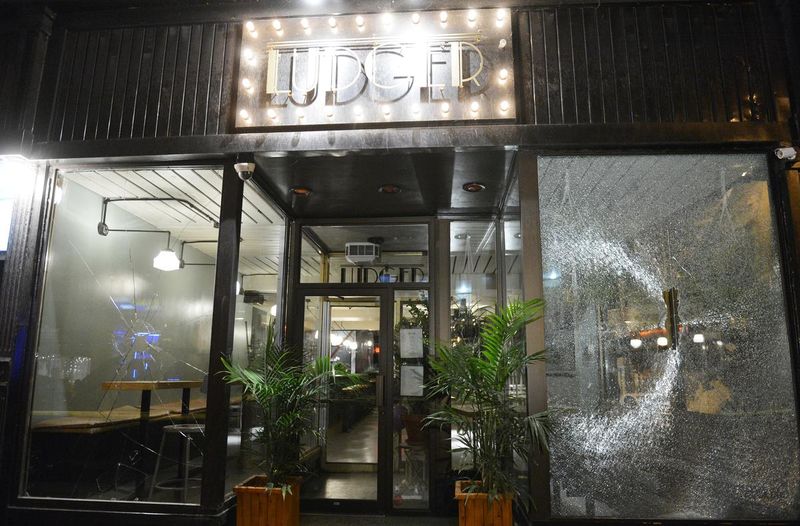
Anonymous submission to MTL Counter-info
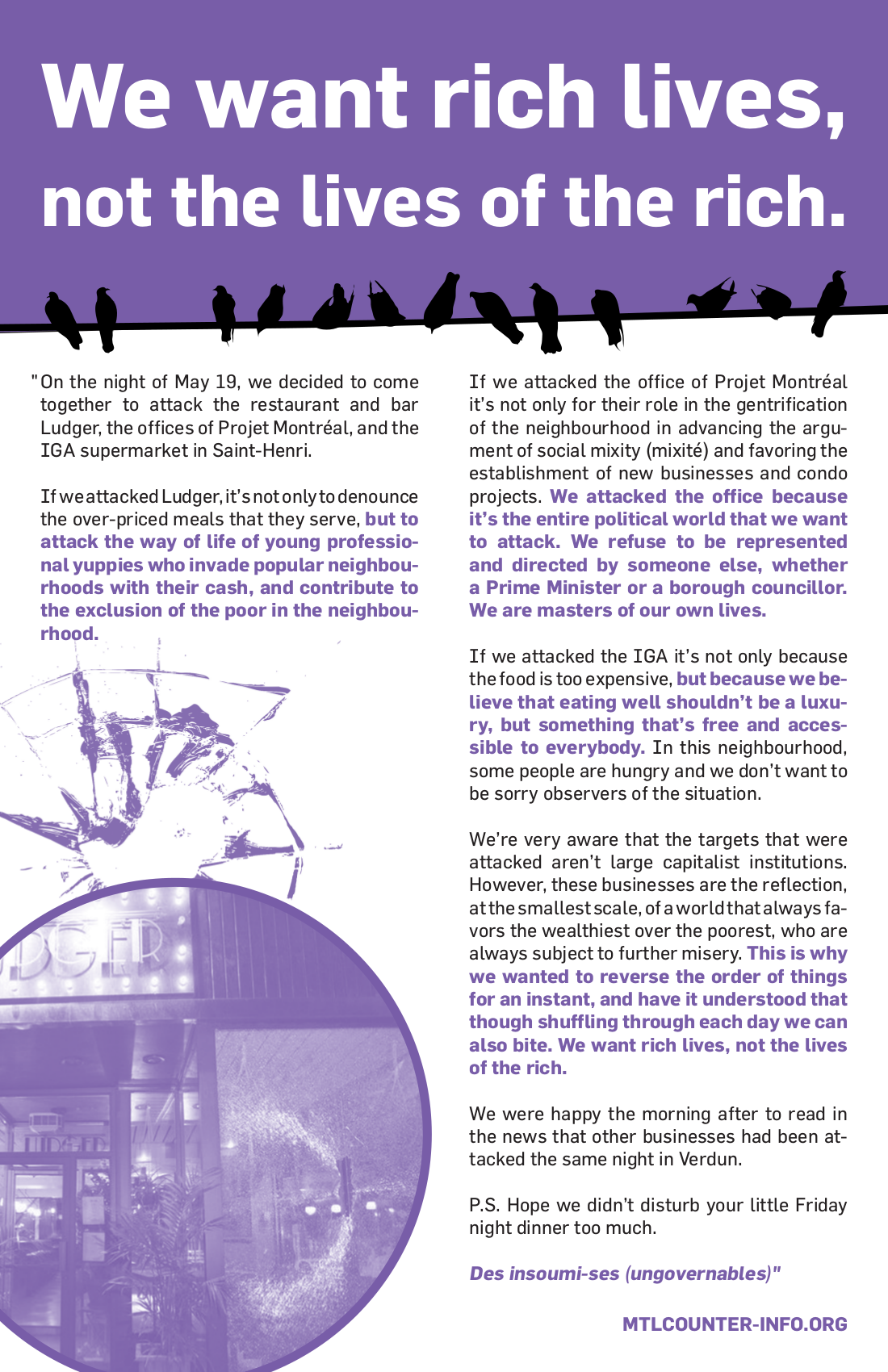
On the night of May 19, we decided to come together to attack the restaurant and bar Ludger, the offices of Projet Montréal, and the IGA supermarket in Saint-Henri.
If we attacked Ludger, it’s not only to denounce the over-priced meals that they serve, but to attack the way of life of young professional yuppies who invade popular neighbourhoods with their cash, and contribute to the exclusion of the poor in the neighbourhood.
If we attacked the office of Projet Montréal it’s not only for their role in the gentrification of the neighbourhood in advancing the argument of social mixity (mixité) and favoring the establishment of new businesses and condo projects. We attacked the office because it’s the entire political world that we want to attack. We refuse to be represented and directed by someone else, whether a Prime Minister or a borough councillor. We are masters of our own lives.
If we attacked the IGA it’s not only because the food is too expensive, but because we believe that eating well shouldn’t be a luxury, but something that’s free and accessible to everybody. In this neighbourhood, some people are hungry and we don’t want to be sorry observers of the situation.
We’re very aware that the targets that were attacked aren’t large capitalist institutions. However, these businesses are the reflection, at the smallest scale, of a world that always favors the wealthiest over the poorest, who are always subject to further misery. This is why we wanted to reverse the order of things for an instant, and have it understood that though shuffling through each day we can also bite. We want rich lives, not the lives of the rich.
We were happy the morning after to read in the news that other businesses had been attacked the same night in Verdun.
P.S. Hope we didn’t disturb your little Friday night dinner too much.
Des insoumi-ses (ungovernables)
As we roll into our fourth year, Rebel! Rebuild! Rewild! keeps gaining momentum. Our collective, for which Earth First! was a primary inspiration, began with the aim of bringing a culture of revolutionary ecology to the territories we inhabit in so-called Ontario and Quebec.
Back in January 2016, we held a winter organizing convergence called “Vision 2020,” which brought together many of the most committed eco-anarchists in this neck of the woods. The name reflects our desire to articulate a revolutionary vision for a decolonized, post-petroleum world.
For us, it’s not enough to fight against what we oppose. We also need to be creating the communities that we wish to replace capitalism with. A tall order, to be sure, but to it seems more realistic than just smashing the state. Who would abandon the life that they know without a glimpse of a world beyond? To quote an anonymous anarchist author: “Who would smash the platform they’re standing on without a safety net to catch them?”
For sure, we’ve got to fight fiercely against the forces fucking up our home. We’d do well, though, to approach environmental struggles as moments of revolutionary potential; that is, as moments of opportunity. We can use these moments to share inspiration, to brainstorm, to offer visions, to disseminate seeds of resistance. Never underestimate the power of ideas. They’re the stuff revolutions are made of.
The number in the name Vision 2020 stands for the year 2020. We were asked: “Where do we want to be, as a movement, five years from now?” Together we brainstormed about multi-year strategies to advance the cause of revolutionary ecology. The idea was to start with a big vision and reverse-engineer it, breaking it down into things we can do now that will move us in the direction we want to go. We’re dreamers, but we’re pragmatic dreamers. Our ideal is to organize in such a way that everything we do makes more ambitious things possible.
This gathering helped us synchronize our goals. To us, the ultimate goal is the creation of autonomous zones able to survive and thrive independent of the state and fossil fuel economy. We imagine constellations of ecological communities, perhaps organized in bioregional federations, bound together by friendship, trade, and relationships rooted in mutual aid and solidarity.
One idea that was agreed-upon was that of the Mobile Resistance Unit (MRU). The idea’s simple: Get a trailer and fill it with a bunch of equipment that would be useful to a blockade, action camp, or front-line community. Since much of the work we do is in solidarity with indigenous communities, this idea grew naturally out of the desire to make ourselves as useful as possible.
Another result of Vision 2020 was the decision to start a land project in the Gatineau Hills in Algonquin Territory (north of Ottawa). We’d been invited by the owners of a 200-acre farm to move there and establish a community.
In the springtime, some of us did. We held a week-long permaculture camp in the spring of 2016. We planted large gardens and learned a lot. Since most of us grew up in cities, this gave us a taste of rural life and hands-on experience in skills we’ll need to learn in order to live our future autonomous lives.
I think everyone considers the third annual Rebel! Rebuild! Rewild! action camp a resounding success. There may have been less than 50 people, but the quality of the time that we spent together left nothing to be desired. We drew new people in, learned a lot, had fun, and shared food, ideas, inspiration, and joyful moments. There were some great workshops, but the reason I call it a success is that, because of R!R!R!, a strong network now exists that didn’t before. Also, we acquired a trailer and lots of gear for the MRU.
A core stayed on the farm through harvest season, and the land yielded us a bounty. All in all, it was a rewarding experience. For now, the land project is on hold. A general will still exists to create an intentional community, but for now, R!R!R! will be more focused on activism that challenges institutional power.
In November, we deployed the MRU for the first time. We’d received word that the Mohawks of Kahnawake had started a protest camp near the Mercier bridge, which they’d blocked several times. This is a major bridge onto the island of Montreal, and was blockaded by armed warriors during the Oka Crisis of 1990. The camp, called the People’s Fire, was started in solidarity with the water protectors fighting DAPL at Standing Rock.
The day that we rolled up to the sacred fire at Kahnawake was a glorious day. Once we introduced ourselves and showed the Mohawks what we had brought, we were received like allies (in the true sense of that word). Within the hour, we were constructing a heavy-duty army tent, which is still there to this day.
Various R!R!R! members continued to visit the People’s Fire, which served as a base for several 24-hour blockades of a major rail line, costing the rail company millions of dollars.
In late November, we began planning a mission to Standing Rock with Mohawks from the People’s Fire. We were able to raise enough funds to buy five army tents, which we brought to Standing Rock, where three were erected and two were donated. We also brought a bunch of other gear. Two of us were there until the bitter end and were arrested for resisting the eviction of Oceti Oyate.
What does the future hold for R!R!R!? Time will tell. Now’s an exciting time for us. The more we scheme, the more we dream, and the more we dream, the more we scheme. Things keep moving, and the seeds that we’ve planted seem to be growing. I guess it’s true: Resistance is fertile.
That said, we’re still loosely organized, and for most members, R!R!R! is a side project. So much more would be possible if more people were more deeply involved! For real, for real, we need help. Exact dates have yet to be announced for the fourth annual R!R!R! action camp, but it will be towards the end of June. The goal for the collective, however, isn’t just to organize an annual event, but to become a revolutionary outfit active 365 days a year (366 on leap years).
In the spirit of achieving this goal, we’re recruiting. Do you love nature and hate capitalism? Are you passionate, hard-working, smart, and brave? Do you want to make visionary activism the focus of your life? Do you have useful skills or like learning new skills? If your answer to all these questions is yes, please get in touch with us. Come hither, ye wildsome wyrdlings!
For Autonomy! For Sovereignty! For Survival!
REBEL! REBUILD! REWILD!
rebelrebuildrewild.org
(We have a newsletter. If you want to subscribe, send an email with the SUBSCRIBE NEWSLETTER in the header)
Anonymous submission to MTL Counter-info
But where do we go when we stay in the city?
In parks? On friend’s balconies? What to do when we don’t want to resign ourselves to metro-work-sleep or the leisure of city festivals or the 375th anniversary celebrating the colonization of the island? Or to the summer that passes dully while drinking beers in parks? What to do with summer’s potential and the sudden opening of spaces under the sun and warm nights? Hibernation is over. I want for life to be a journey even if I stay here. I want to do unauthorized camping, not just in the woods or on the road to Gaspésie. I want a presence that carves out a place in diverse spaces so as to nourish friendships, creative relations of mutual aid and our rebellions. Being together with the city as a terrain to occupy (all the while occupying ourselves with not allowing the city to celebrate its colonial occupation too much), to disturb the limits imposed by the fencing, the bans on loitering and the well-tended grass. To occupy and care for buildings, alleys, and wastelands, without asking permission.
So… What’s the plan?
It looks promising!
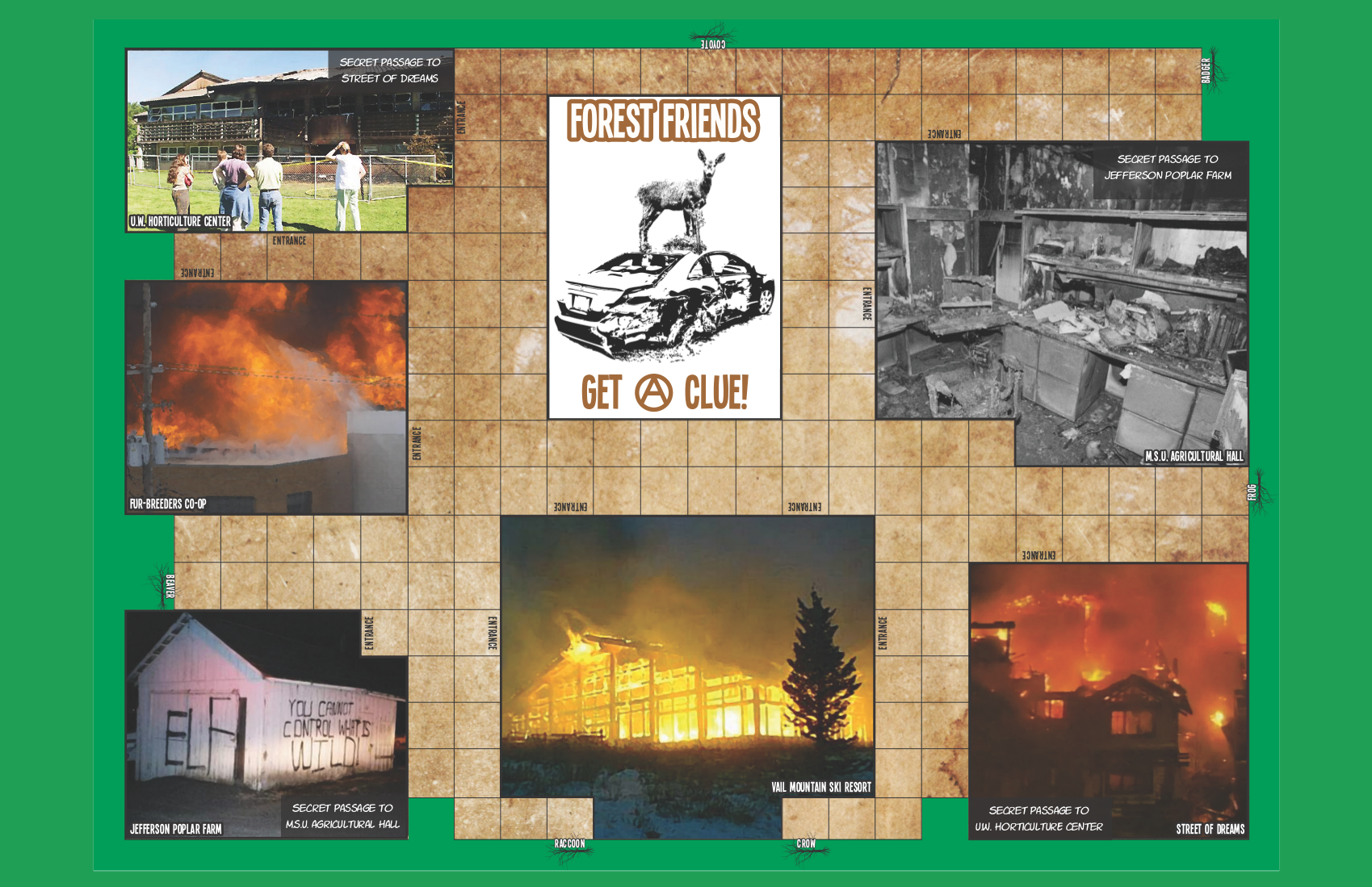
June 11th, International Day of Solidarity with Marius Mason & All Long-Term Anarchist Prisoners, is less than a month away. Montreal will be participating by having a board-game night featuring an Earth Liberation Front edition of Clue! (June 11, La Deferle, 7 pm – check here for more info soon)
Forest Friends: Get (A) Clue! is a game where players try to figure out the three main facts of an attack against Industrial Civilization: the attacker (animal), the location of the attack, and the weapon used in the attack. We do this so that the animal can be celebrated by all of their fellow forest friends (because there are no forest cops who want to imprison these comrades for their brave actions in this imaginary world).
Rather than the library, you’ve got Vail Mountain Ski Resort. Rather than the dagger, you’ve got gasoline and matches. We’ve made the game printable in case other cities want to host similar events, or you just want another way to teach kids this important history.
[Rulebook – 8.5″x11″]
[Board – 11″x17″]
[Characters – 8.5″x11″]
[Cards – 8.5″x11″]
[Sheets – 8.5″x11″]
Vail Mountain Ski Resort
On October 19th 1998 members of the ELF set fire to five buildings and four chairlifts at the Vail Mountain Ski Resort. Resulting in property damages of over 12 million dollars, a communique states that the members committed the arson on behalf of the Lynx, whose habitat would be destroyed by the expansion of the resort.
Jefferson Poplar Farm
On May 21st 2001 members of the ELF set fire to two buildings and thirteen vehicles at the Jefferson Poplar Farm in Clatskanie Oregon, a tree farm which specialized in “fast growing” trees that harmed biologically diverse ecosystems. Damage was estimated at around half a million dollars. Graffiti left on the scene read “You Cannot Control What Is Wild!”
Street of Dreams
On March 3rd 2008 unknown members of the ELF set fire to four multimillion dollar houses in Woodinville Washington, causing about 7 million dollars worth of damage. A note left on the scene read “Built Green? Nope black!” and “McMansions in RCD (Rural Cluster Developments) r (are) not green.” The note was signed “ELF”.
Agricultural Fur Breeder’s Coop
On March 11th 1997 joint members of the ALF/ELF placed five pipe bombs in the Agricultural Fur Breeder’s Coop in Sandy Utah. The bombs destroyed four trucks and leveled the offices of the Co-Op causing over a million dollars in damage.
Michigan State University Agricultural Hall
On December 31st 1999 members of the ELF doused the offices in the Agricultural Hall with gasoline and set them ablaze. This arson caused about one million dollars worth of damage. This target was chosen because of the research efforts of scientists working to replace natural crop plants with GMO’s in the poorest nations in Asia, Latin America, and Africa.
University of Washington Horticulture Center
On May 21st 2001 members of the ELF set off a fire-bomb in the University of Washington Horticulture center in Seattle Washington. Causing over 7 million dollars worth of damage, many scientists lost years of documents and were forced to abandon some of their research, research which was benefiting timber companies.
Anonymous submission to MTL Counter-info
[For reading]
[For printing, 11”x17”]
“Direct action, simply put, means cutting out the middleman: solving problems yourself rather than petitioning the authorities or relying on external institutions. Any action that sidesteps regulations and representation to accomplish goals directly is direct action—it includes everything from blockading airports to helping refugees escape to safety and organizing programs to liberate your community from reliance on capitalism.”
– A Step-by-Step Guide to Direct Action: What It Is, What It’s Good for, How It Works
We believe that the greatest barriers to participating in direct actions are social ones: finding comrades to build affinity groups takes time, patience, and trust (see How to Form an Affinity Group: The Essential Building Block of Anarchist Organization). This recipe assumes that you already have people who you can get mischievous with.
Before we had ever done a night-time direct action, we felt hesitant to begin. We had no one to teach us the basics, and feared making stupid, easily preventable mistakes. For that reason, we want to share several logistical tips that we feel may be helpful in carrying out these actions.
Legal disclaimer: All information contained in this publication is for educational purposes only, and does not condone or encourage any illegal activity.
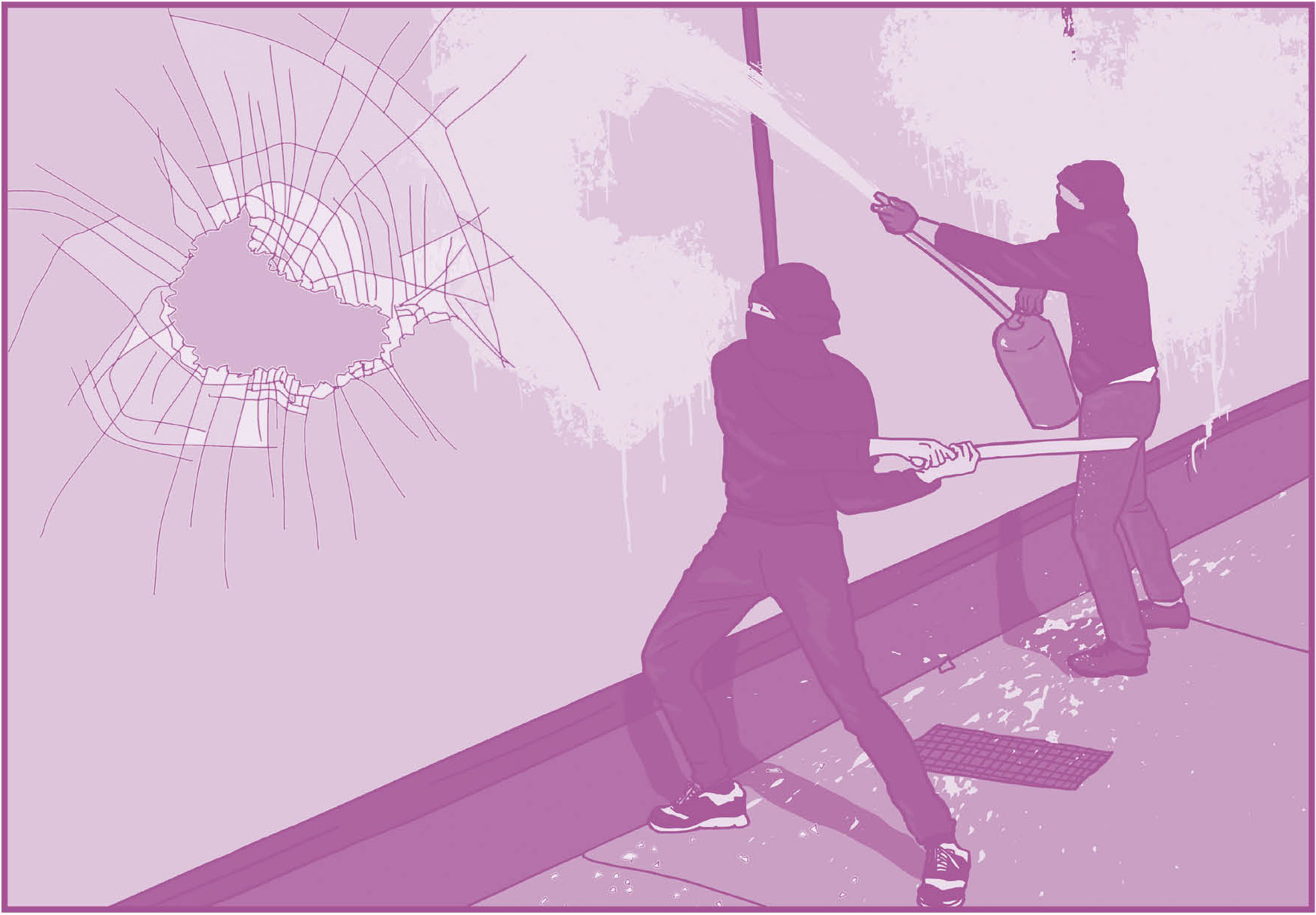
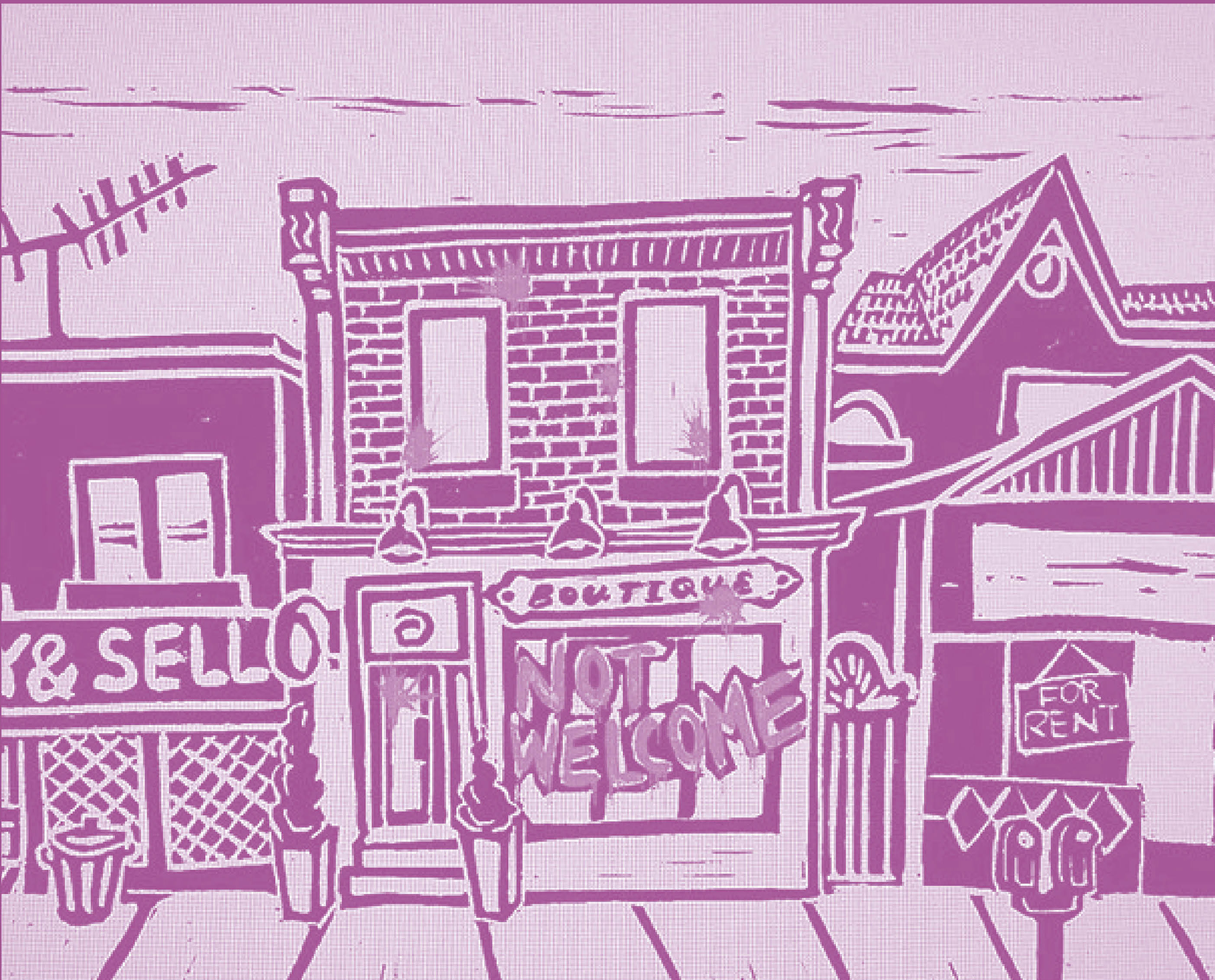
First, you need to choose the target of your direct action and what tactic you will use. Although this could vary widely, for this recipe we’ll use the classic example of smashing out the windows of a gentrifying business in an urban neighbourhood.
Think about what the action will communicate to people you’ve never met – from possible accomplices to the most passive citizen. What possibilities might this communication open up? For example, the numerous smashings of luxury businesses in Hochelaga and St. Henri over the past years have communicated a resistance to gentrification, have spread signals of disorder (see Signals of Disorder: Sowing Anarchy in the Metropolis) that visibilize how anarchists are fighting back against social control, and in some cases, have contributed to such businesses having to close up shop.
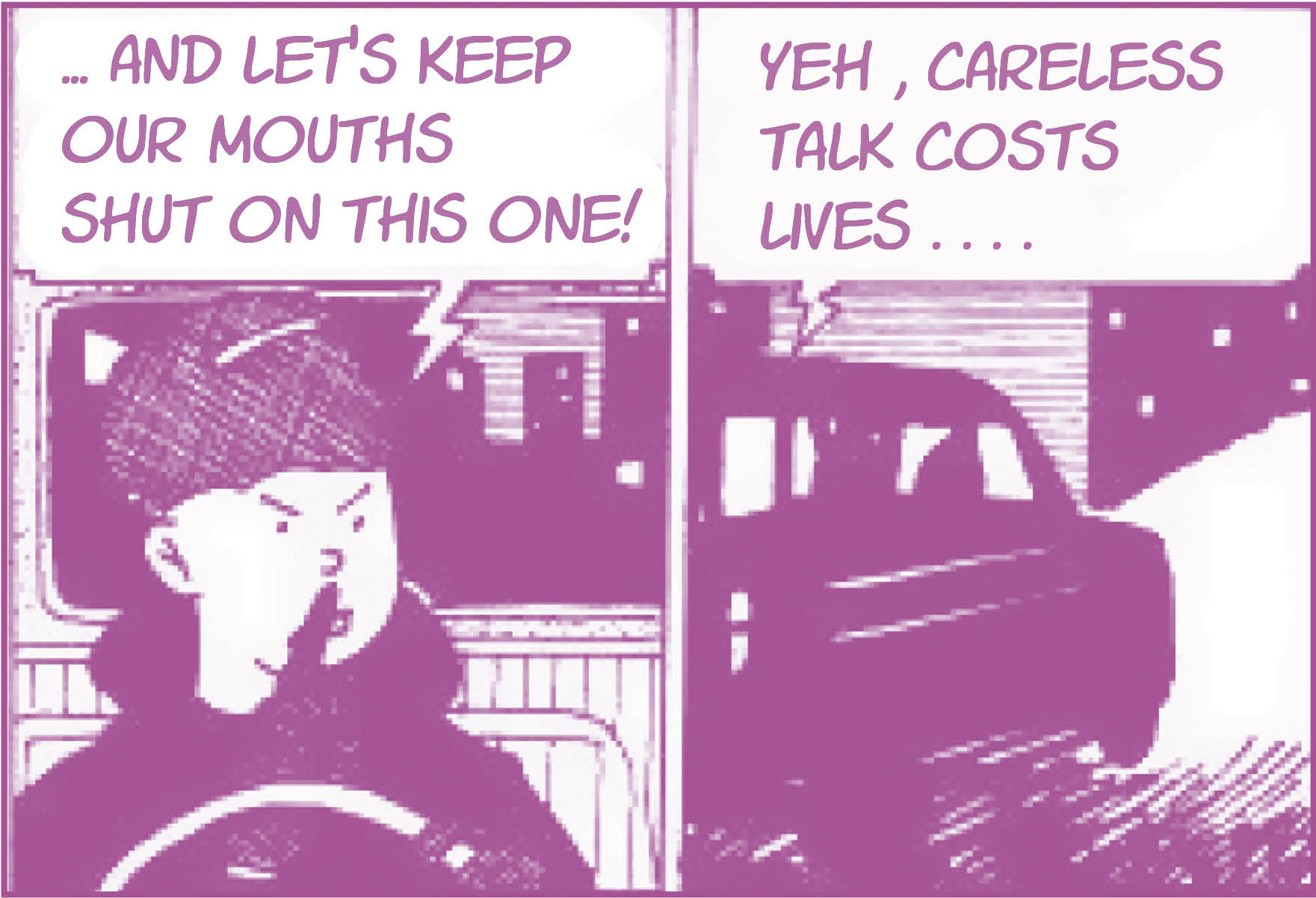
There are introductions to ‘security culture’ available elsewhere (see What is Security Culture?), but here we’ll just say to do all of your planning in person, with people you trust, outside of houses and with no phones present (both being vulnerable to police surveillance).
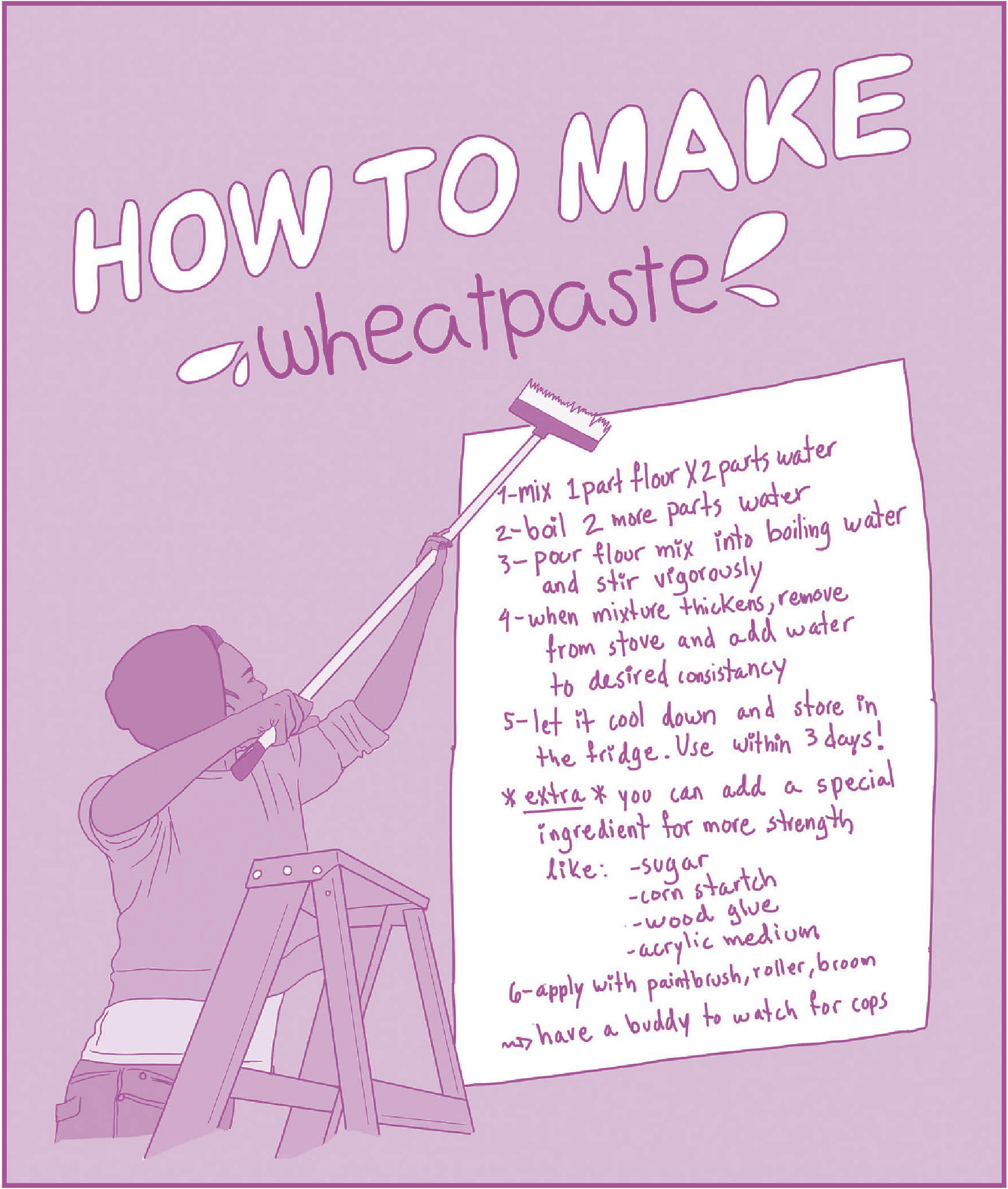
When we started getting our hands dirty, we found it helpful to first get comfortable with less risky activities like graffiti or wheatpasting posters, practicing the same communication habits we would later apply in attacks. This helps us become acquainted and feel more comfortable with our ability to act in stressful conditions (encounters with police, evasion, etc.) and our relationships with each other.
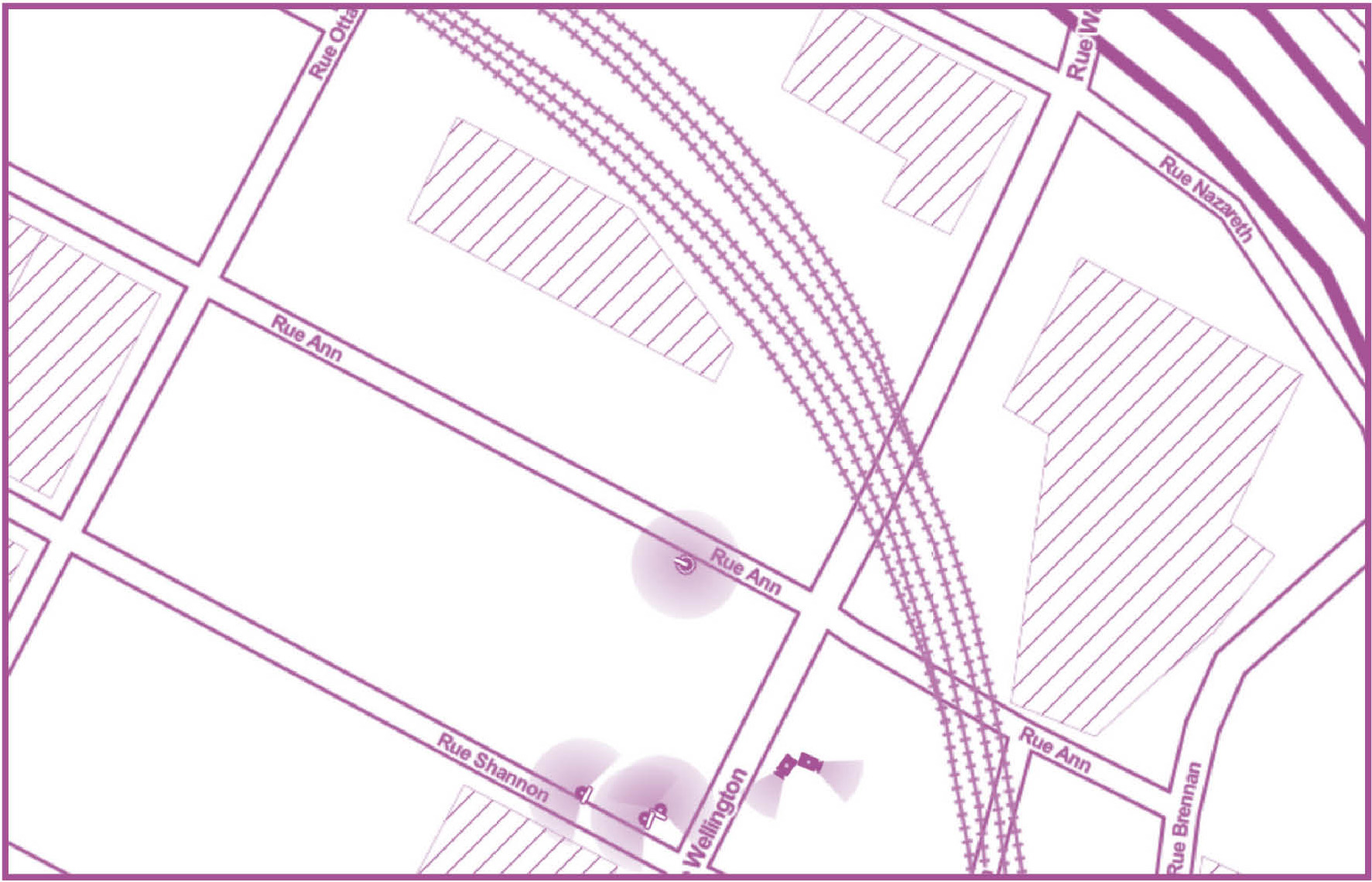
Scout the target ahead of time; look for the safest entrance route and exit route, prioritizing paths with fewer cameras (alleys, woods, bike-paths, train-tracks, residential areas). If you use bolt-cutters to cut a hole in a fence, will that open more possibilities? Have fun subverting the urban organization of space designed for social control to your purposes of social war.
Be discrete; don’t point at the cameras you want to smash, or walk in circles around the target. Decide where to position lookouts (if you think you need them), posted up smoking at bus stops that aren’t on camera, for instance. How will they be communicating with those doing the direct action: hand signals, inconspicuous shouts of random names to signify different situations, walkie-talkies, flashlights, burner phones (see Burner Phone Best Practices)?
It helps to know what the traffic patterns are like at the time you’ll be acting. How busy is foot traffic? Where is the closest police station, and what are the most patrolled streets? Doing the action on a rainy night at 3 am means there will be fewer witnesses, but also fewer people to blend in with afterwards when police might be combing the area, so sometimes closer to midnight will make more sense. Once you’ve gained confidence in nocturnal actions, maybe you’ll want to experiment with day-time actions that are more visible to passersby and thus harder for the authorities to invisibilize, like the looting of the yuppie grocery store in St. Henri last year. Leave at least a week or two between scouting your target and the action because that’s the average amount of time it takes for surveillance footage to be overwritten.
Wear two layers of clothing; a casual layer for the action that includes a hood and hat, and a different layer underneath so that you don’t match any suspect descriptions. Blend in with the character of the area; it doesn’t make sense to dress like a punk in a yuppie neighbourhood, but it does make sense to be in flashy jogging gear if you’re going to be running down a bike-path. Baggy clothing can help to disguise body characteristics. A hat and hood will keep you relatively anonymous during your approach – most cameras are pointed from above, so your face will be mostly obscured when you’re looking down.
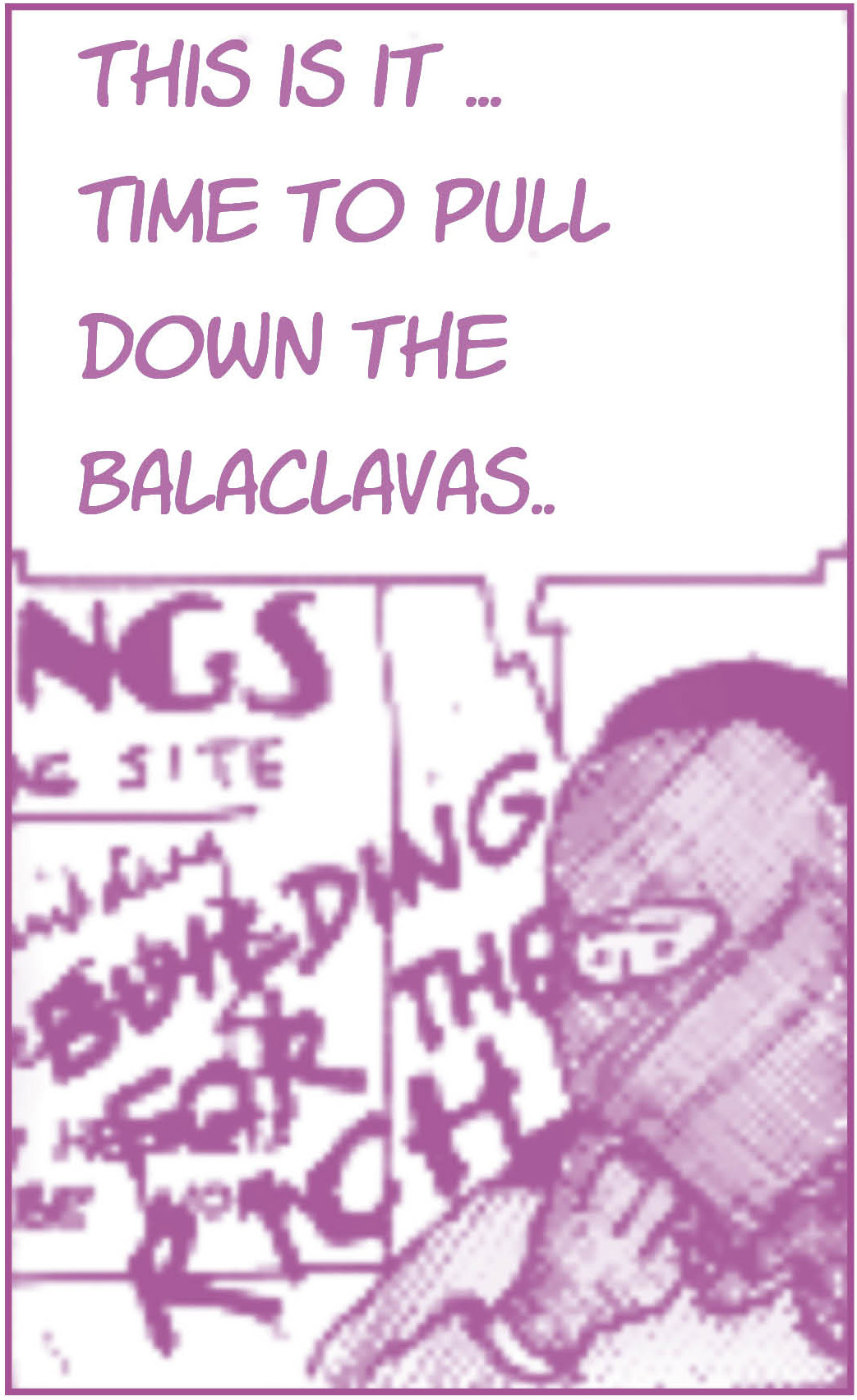
You can pull up a full mask for the last few blocks and the action itself (see Quick Tip: How to Mask Up). Depending on the terrain and where cameras are located, you may afford to wait until right before the action to mask up to avoid arousing suspicion preemptively.
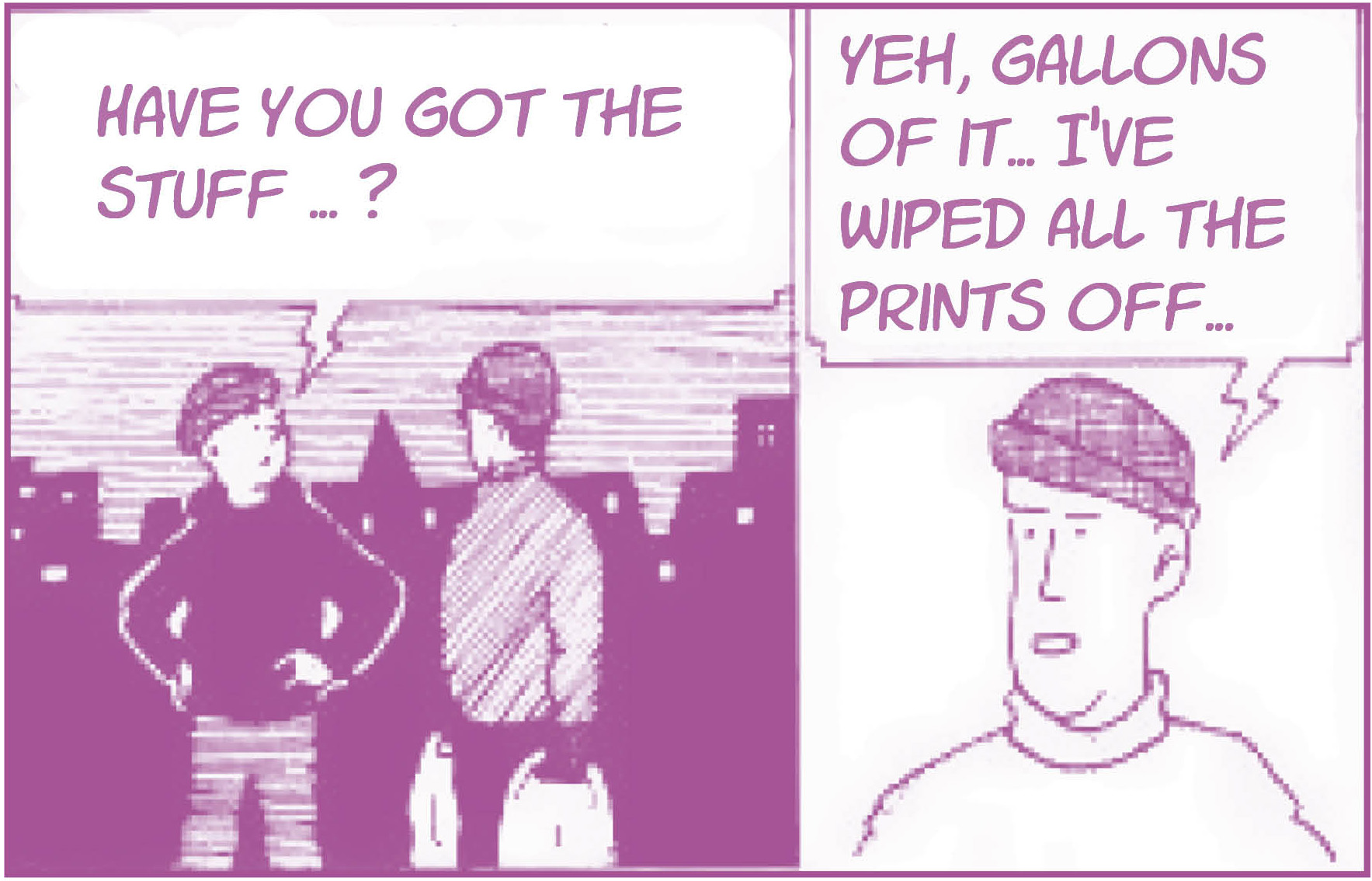
Expect to be seen on camera during the action. Don’t get too paranoid about cameras in the surrounding area – a standard CCTV camera has poor resolution in the dark, if police even bother to get the footage before it’s overwritten automatically. All surfaces of any tools you’ll be using should be thoroughly wiped with rubbing alcohol ahead of time to remove fingerprints, and cotton gloves should be used during the action (leather and nylon will retain your fingerprints on the inside). Do not take your cell phone, or if you must, remove the battery; it geo-locates even when powered off.
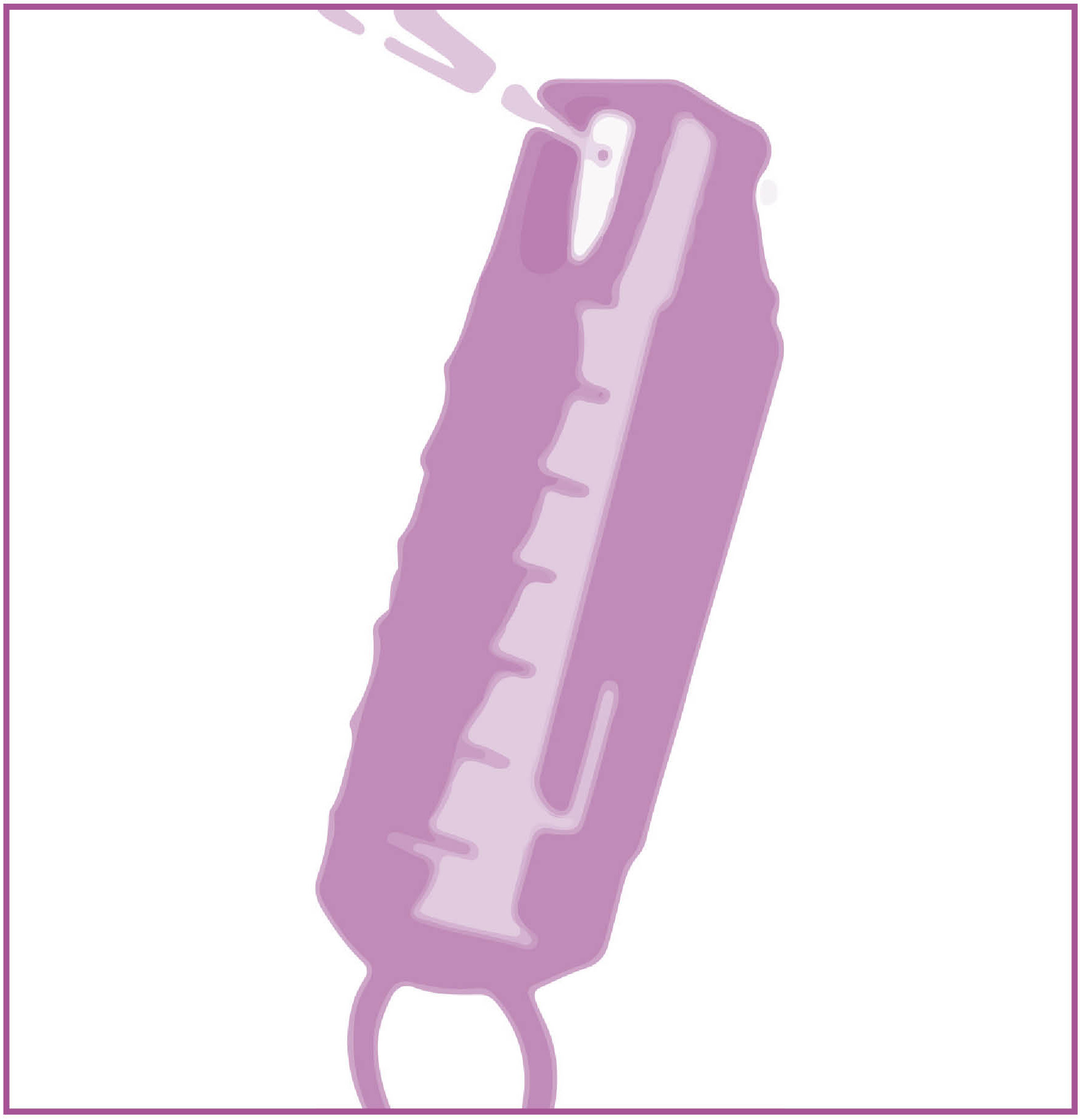
Make a plan in case a good citizen intervenes, or starts following you to call the police. Dog-mace has worked wonders for us, but if that feels too intense as an immediate response, being verbally confronted by a masked group is enough to deter most people.
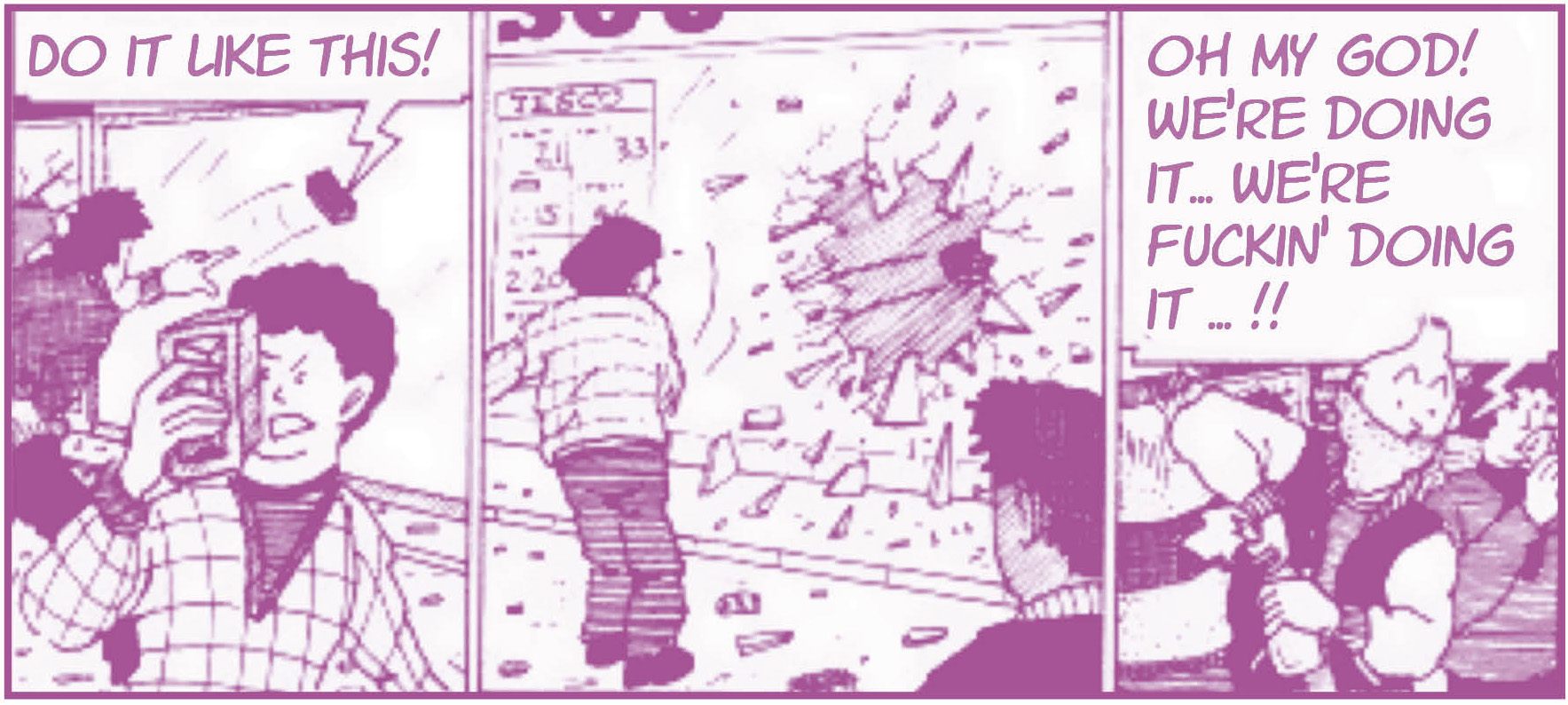
Once lookouts are in their locations and they give the agreed upon starting signal, take a final glance around, and go for it! For breaking the windows of a gentrifying business, bring enough rocks for several windows, aim for the bottom corners, and make sure you’re finished up within, say, thirty seconds of the first crashing glass pane. If you also want to put glue in the locks, paint-bomb the sign (see Paint bombs: light bulbs filled with paint), pull down the cameras (see the tips in Camover Montreal), write a graffiti message (in blocky ALLCAPS to hide hand-style particularities), or anything else that’s relatively quiet, do this before you make a kerfuffle breaking the windows, or plan for an extra friend to do it simultaneously.
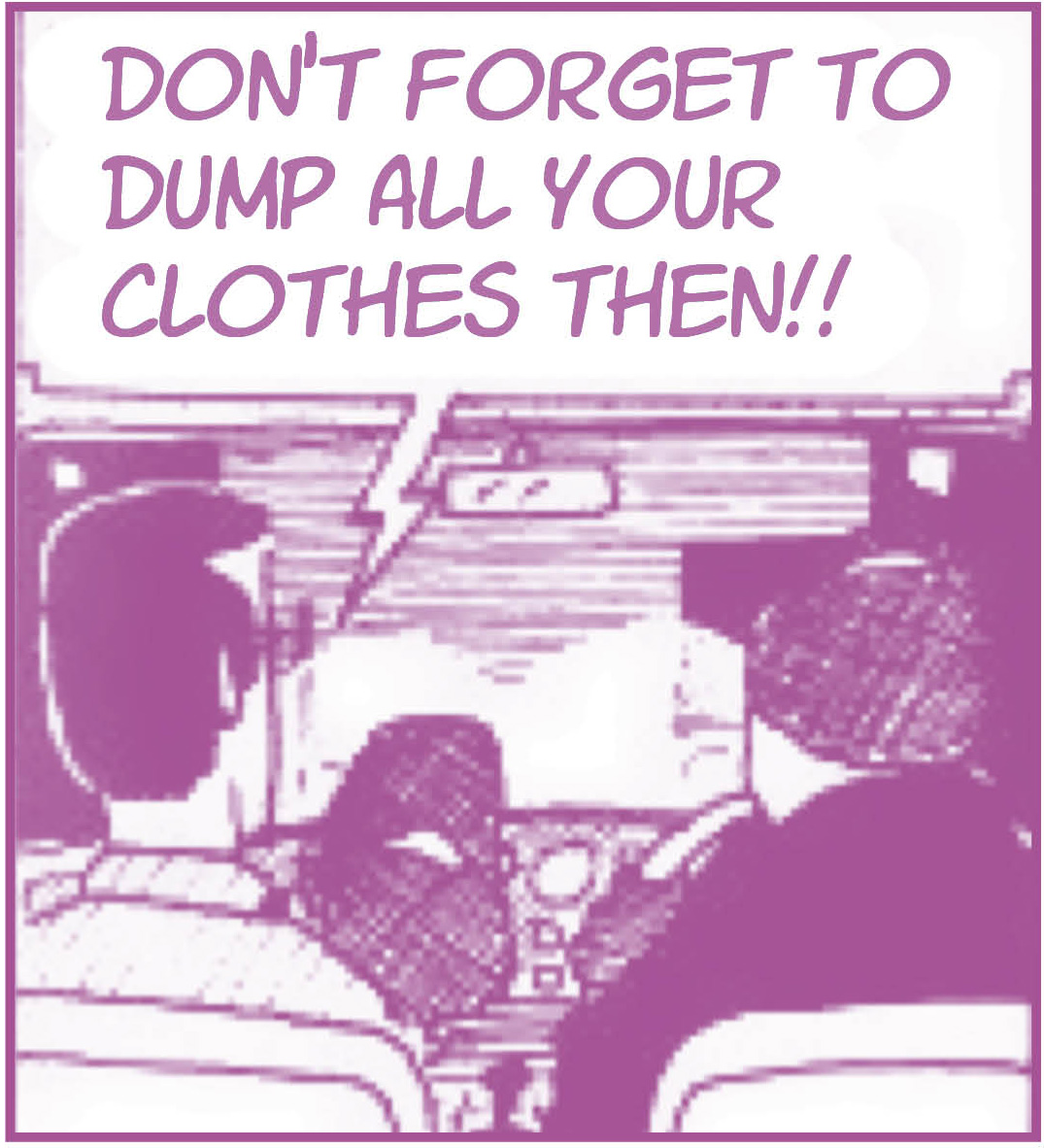
Ditch everything including your top layer of clothing at the soonest appropriate place along your exit route – cops have lights that will reveal glass shards on clothing (more of a problem if you use hammers than rocks). Find creative hiding spots ahead of time to ditch anything you don’t want found, but as long as your materials and clothing are free of fingerprints it shouldn’t matter. The exception to this is arson tactics, where DNA forensics are more likely to be used, in which case you may want to take everything with you in a backpack and dispose of it farther away.[1. A note on DNA forensics: a basic principle is to never touch (or otherwise contaminate with hair, sweat, skin cells, dandruff, saliva, etc.) anything you’ll be leaving behind, because unlike fingerprints, DNA can’t be scrubbed off. Surgical gloves (sold at many drugstores) used with ‘sterile technique’ (learned on youtube) can allow you to manipulate materials without contaminating them once they leave their packaging. This should be accompanied by securing hair under a tight-fitting hat or swimming cap, a surgical mask to prevent airborne saliva, and wearing a long-sleeved shirt you’ve never worn that goes under your gloves (or even better, painter’s coveralls used for mold and asbestos removal). Work on a raised surface so that you don’t have to be bent over your materials. Have a second person (taking the same precautions) drop materials out of their packaging and onto your ‘sterile field’ (you can use a newly opened shower curtain, for instance), so that once you’re sterile you don’t contaminate your gloves with packaging you may have touched. To transport your materials, seal them in a garbage bag.]
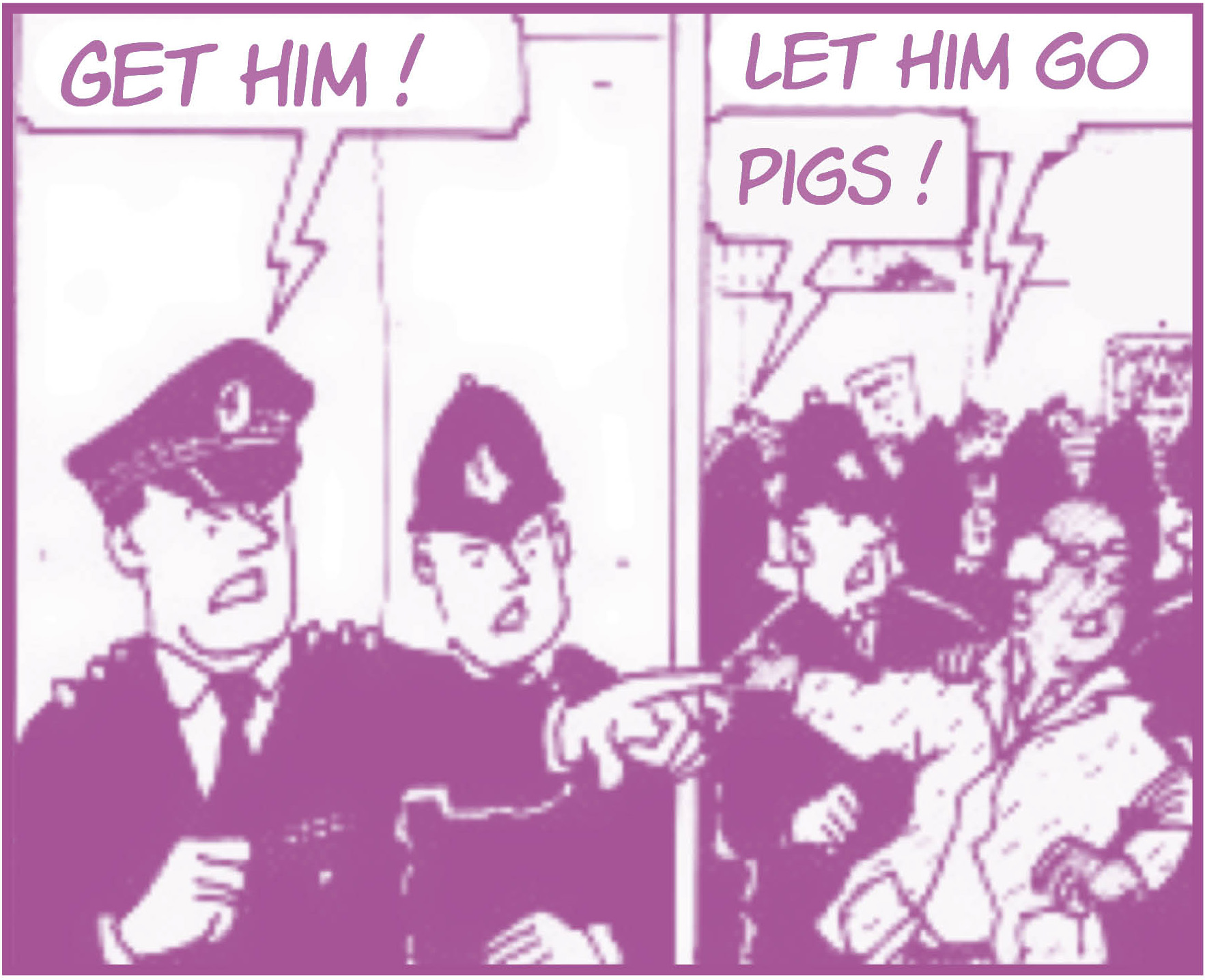
Ideally, even if you are detained by police on your way out, you’ll have nothing on you that they can use to connect you to the crime. Know your story of why you’re in the neighbourhood, or be ready to remain silent because if they find evidence to contradict your story, it can be used against you in court, while your silence can’t be held against you. When arrested in Quebec, you only have to give the police three pieces of information: your name, date of birth, and address (this may differ in other places; it may be useful to be knowledgeable of local laws before carrying out any illegal action).
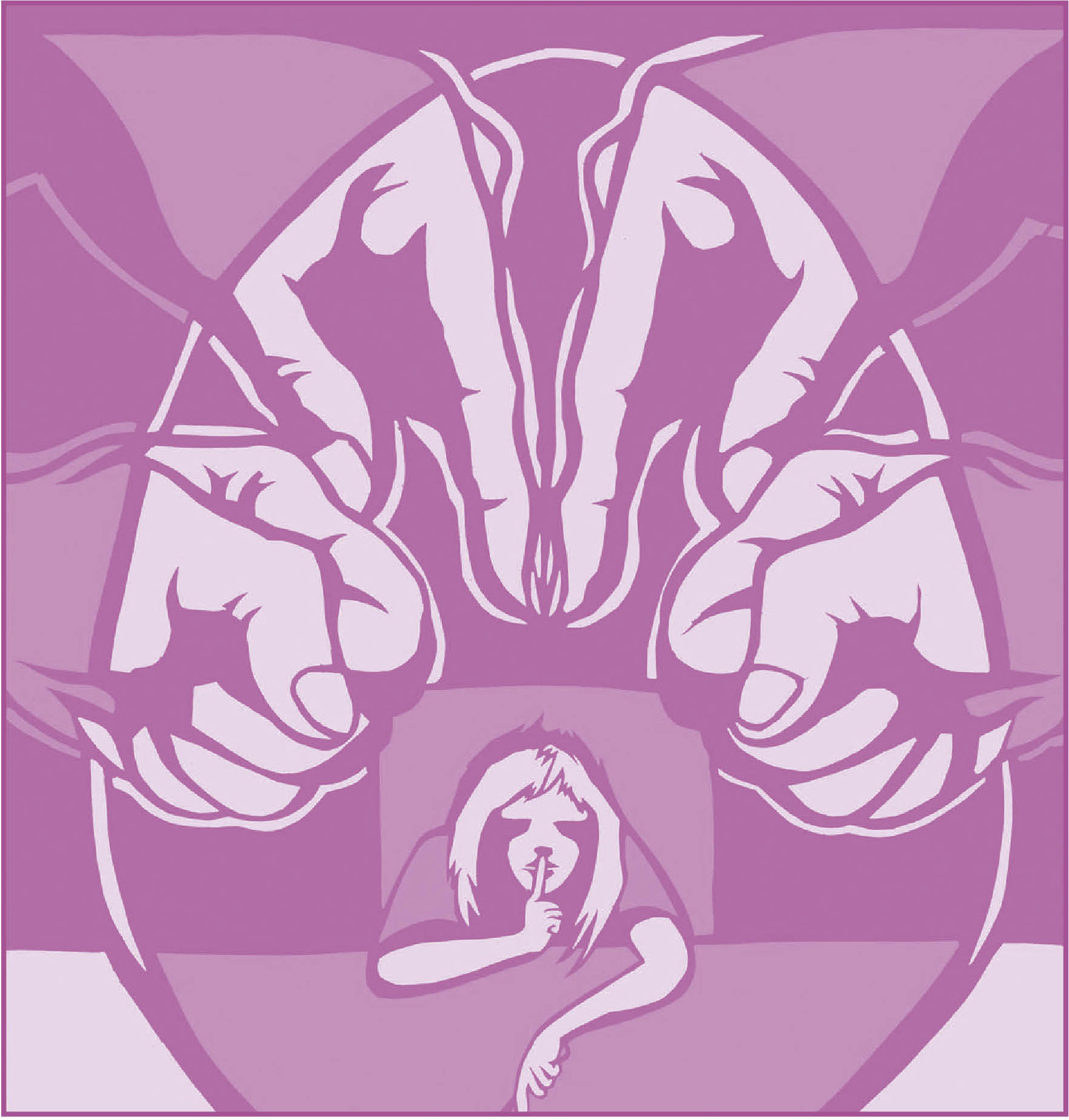
Once you’re arrested, saying anything else will do more harm than good. After providing the above three pieces of information, you can repeat the following phrase: “I have nothing more to say. I want to speak to a lawyer”. (If things go south, check out How to Survive a Felony Trial: Keeping Your Head up through the Worst of It. In Montreal, get in touch with the Contempt of Court collective for help with legal representation.)
A typical police response (if there even is one – often times vandalism is only discovered the next morning) will involve police first going to the scene of the crime, maybe taking the time to ask possible witnesses if they saw anything, then driving around the surrounding streets looking for possible suspects. If you get out of the immediate area quickly, you’ll avoid all of this. Hiding can be a viable option if something goes awry and leaving as planned looks risky – backyards, corners of driveways, rooftops, bushes, etc. can all be helpful in waiting it out.
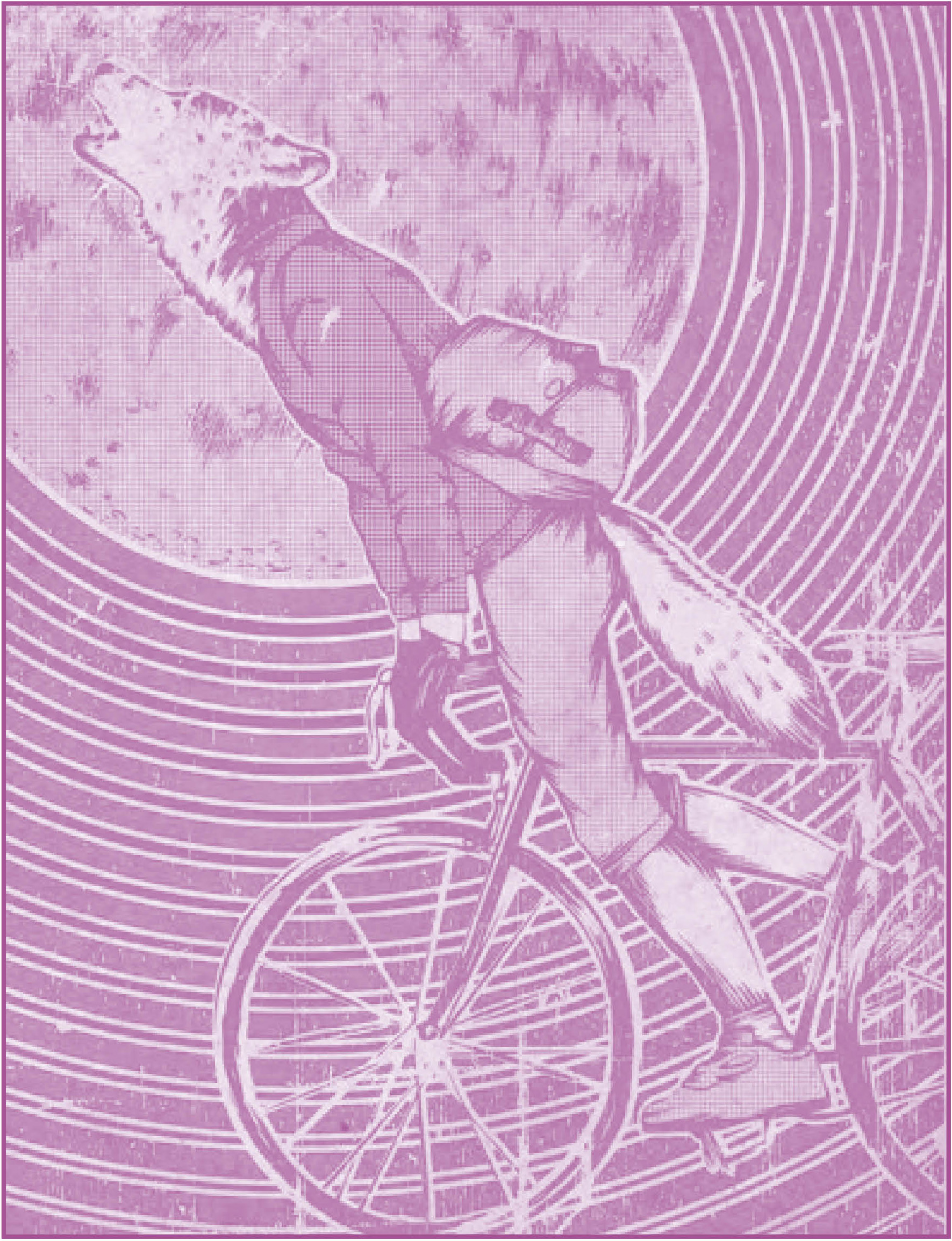
Consider using a bike to get out of the area quickly – you can have it locked a short jog away. Bikes can be disguised with new handlebars and saddles, black hockey-tape on the frame, removing identifying features, or an all-black paint job.
It’s best to avoid using cars if possible – a license plate is far easier to identify than a hooded figure on a bike. But if you must because the location is too difficult to get to otherwise, be careful. You could park a bike-ride away in an area that’s not on camera. Be dressed totally normally when entering the car. Take back roads and know your way around. Don’t use cars that may be already known to police, in case they have been tagged with a GPS surveillance device, and don’t use a rental (in part why Roger Clement got caught for arsoning an RBC branch against the Vancouver Olympics).
Rest well knowing that you’ve fucked up a small part of this fucked up world.
Check out How to safely submit communiques if you want to claim the action! Also check out this How-to page for more direct action guides: blocking trains, shutting down pipelines, demonstrations, riots, and more!